Most people asking for “long lasting lip filler” really want two things that sometimes pull in different directions: shape that holds and softness that feels like their own lips. The market is crowded with products that promise both. In practice, longevity depends on the filler’s chemistry, how and where it is placed, your lip anatomy, your lifestyle, and even your metabolism. I have watched full, glossy day-one results settle into beautiful, natural looking lip fillers over months. I have also seen long wear turn cumbersome when stiffness or lumps outlived their welcome. The right answer is rarely a single product name, it is a strategy that balances structure, hydration, and maintenance.
What longevity actually means in lips
Manufacturers quote ranges, often 6 to 18 months. Real-world wear is patchier. The red portion of the lip has rich blood flow and intense mobility. That movement breaks down even premium hyaluronic acid lip filler faster than the same product in cheeks. In a first-time lip augmentation, I typically see meaningful volume for 6 to 9 months, then a softer taper to 12 months with good tissue support. Repeat patients often hold volume a little longer. Crosslink density, gel rheology, and injection depth matter just as much as the brand name.
When people bring lip filler before and after photos to a lip filler consultation, they focus on volume. Longevity also includes shape memory, hydration glow, and how the border or Cupid’s bow holds up to lipstick and daily expression. A lip filler procedure that preserves border definition can look “lasts longer” to the eye even if total milliliters remain similar.
HA fillers, non-HA fillers, and why lips are special
Hyaluronic acid, the workhorse behind most dermal lip fillers, occurs naturally in skin. HA-based lip filler injections can be reversed with hyaluronidase, a safety net that matters when you work in high-risk zones like the philtral columns and vermilion border. The newer generation of HA, with customized crosslinking and particle sizes, lets us choose gels that move with speech or hold up the white roll without blurring. This reversibility is a key reason HA remains the best lip filler category for most lip filler near me Allure Medical patients.
Non-HA fillers like calcium hydroxylapatite or poly-L-lactic acid are fantastic tools elsewhere, but I do not place them in the red lip. Their properties and lack of an on-demand reversal agent do not suit the dynamic tissue. Even off-label strategies that “biostimulate” in the perioral frame, when used, belong above the lip border rather than within it. If you are searching “lip fillers near me,” prioritize clinics that use medical lip filler protocols emphasizing HA for the lips and reserve other materials for surrounding support when indicated.
Gel physics you can feel: softness vs structure
If you pick up two HA syringes, they look identical at a glance. Inside, the gels behave differently. Lower elastic modulus (G prime) gels spread more easily, hydrate well, and feel soft to the kiss. Higher G prime gels resist compression, hold crisp shapes like the Cupid’s bow peaks, and last longer when used judiciously. Cohesivity influences whether the filler stays where placed or diffuses.
For a patient who loves subtle lip filler with a dewy finish, I reach for a soft, cohesive gel in the body of the lip. For someone whose main concern is a flat border and lipstick bleed, a slightly firmer gel along the white roll can create a satisfying frame. Placing only a high-structure gel everywhere often extends longevity, but at the cost of “helmet lip” stiffness. The art sits in mixing or layering products, and sometimes in layering techniques at different depths.
Where longevity hides: technique, plane, and microdosing
Longevity is not just what, it is where. Product placed too superficially can look lumpy, bruise more, and metabolize quickly because it constantly shears with movement. Deep microaliquots along the wet-dry border provide a velvety push without stiffness. Threading the vermilion border creates a lip shaping filler effect that stabilizes lipstick lines. Pillar support under the Cupid’s bow helps retain the M-shape after swelling settles.
I favor conservative first sessions, often 0.5 to 1.0 mL split between body and border, then reevaluate at 3 to 4 weeks. This delayed top-up strategy tends to beat a single large session in both aesthetics and duration. The body builds around the scaffold, you fine-tune asymmetry, and you reduce the risk of migration. With skilled placement, lip filler results last closer to the top end of the quoted range without sacrificing softness.
The long-game: maintenance that looks natural
Almost every long lasting lip filler plan that looks fresh after a year includes scheduled maintenance. That can mean a 0.3 to 0.6 mL lip filler touch up at 6 to 9 months for volume, plus occasional refinement at the border. Trying to stretch one treatment for two years often leads to a cycle of overfilling and dissolving. Planned micro-maintenance keeps lip enhancement treatment soft, precise, and cost efficient over time.
Lifestyle plays a real role. High-intensity exercise, rapid weight shifts, smoking, and sun exposure seem to quicken hyaluronic acid breakdown. Good lip filler aftercare is unglamorous but effective, from not compressing the lip with masks or straws in the first days to SPF and gentle massage as advised by your lip filler specialist.
Product families you will hear about, and how they compare
Patients ask for brand names because online before-and-after galleries showcase them. What matters more is how a product behaves in lips.
- Soft HA gels with high cohesivity: These are the backbone for natural lip filler in the body of the lip. They hydrate, mold smoothly, and feel like your own tissue within weeks. Expect 6 to 9 months of visible volume, sometimes longer in repeat treatments. Trade-off: shorter structural hold at the border. Moderately firm HA gels designed for shape: Used sparingly for the vermilion border and Cupid’s bow, they keep definition and extend the “crispness window” to 9 to 12 months. Trade-off: risk of stiffness or visible product if placed too superficially. Ultra-soft “skinbooster-style” HA: Great for lip hydration and fine line smoothing without much lift. Think glow more than size. Duration can be 4 to 6 months. Trade-off: not a volume solution on their own. Hybrid use with perioral support: Complementing lip dermal filler with a gentle HA in the perioral lines or a fine framework along the philtrum improves the whole mouth, making the lip enhancement appear to last longer. Trade-off: more syringes, higher lip filler cost.
Behind the scenes, rheology drives the choice. You do not need to memorize G prime values, but you should feel confident asking your provider which gel is going where, and why.
The price of longevity: cost, time, and tolerance for touch-ups
Patients searching “lip filler price” or “lip fillers cost” often want a single number. In metropolitan clinics, a high-quality hyaluronic acid lip filler session typically ranges from the low hundreds to over a thousand per syringe, depending on brand, setting, and expertise. A common first session uses one syringe. Long-term budgets should include maintenance doses and occasional dissolving if migration accumulates after years.
There is a temptation to pick the densest gel to “make it last.” In my experience, paying slightly more for a thoughtful two-gel plan that respects the body of the lip and the border often reduces lifetime cost, because you do not fight stiffness or asymmetry later. The best lip filler for longevity is the one you are happy to maintain.
Safety first, because the lips are unforgiving of shortcuts
Most fillers carry similar side effect profiles: swelling, bruising, tenderness, and occasional nodules. Lips swell more than most areas, peaking around day two. The combination of thin skin and mobility means lip filler bruising is common even with cautious technique. Ice, arnica, and patience help, but expect a few days of visible recovery. People planning a lip filler appointment before an event should book two weeks ahead to clear the typical window for swelling and color changes.
The rare but serious risk is intravascular injection leading to tissue compromise. That risk rises with poor technique, high pressure, and injections near the philtral columns and labial arteries. A professional lip filler provider will use aspiration selectively, low volumes per pass, and a detailed understanding of perioral anatomy. Hyaluronidase must be on-site, along with a protocol for vascular occlusion. If you are typing “lip filler near me” or “lip filler clinic” into a map, call and ask how the clinic handles emergencies. A safe lip filler plan includes prevention and the capacity to act fast if needed.
Migration, lumps, and other longevity traps
When patients say their filler “moved,” they often point to fullness above the lip border, a smudged white roll, or a shelf under the nose that looks unnatural in profile. True migration does occur, usually over months, and is more likely with overfilling, repeated superficial placements, or constant external pressure, for example from tight masks.
Small, well-placed aliquots minimize these issues. If migration or firm nodules develop, partial or full dissolution using hyaluronidase resets the canvas. It is better to dissolve and rebuild than to keep stacking. This is where having a lip filler specialist who is comfortable with dissolving is indispensable. Natural looking lip fillers sometimes require subtracting before adding.
The choreography of a good appointment
Consultation comes first. We look at your resting and animated smile, tooth show, lip-to-tooth proportion, symmetry, and the way your upper lip rolls with speech. Photographs help, not only for lip fillers before and after documentation, but also to set direction. People often bring celebrity photos; I reframe those as shape cues rather than volume goals.
On treatment day, I favor topical anesthesia or dental blocks depending on sensitivity. Yes, lip filler pain is manageable, but expect discomfort when the cannula or needle crosses sensitive zones. I reduce trauma with fine needles, low injection pressure, and slow threading. Expect 30 to 45 minutes of chair time for a meticulous first treatment.
Immediate aftercare is simple: avoid strenuous exercise, heat, alcohol, and heavy kissing for 24 to 48 hours, and keep the head elevated the first night. Minor irregularities improve as swelling settles over a week. If palpable pea-sized areas remain beyond two weeks, a gentle massage or review visit sorts them out.
Special cases and how longevity behaves
Thin lips seeking subtle lip filler: The goal is gentle roll and hydration, not just milliliters. I often start with 0.5 mL, focusing on the central third to enhance tooth show. These patients metabolize faster early on, then hold better after a second session. The long-term look is elegant when border sharpness is respected.
Asymmetrical lips or cleft lip repairs: Shape trumps volume. Here, lip contouring filler techniques, microthreads along deficient segments, and careful balancing matter more than a long wear promise. Expect multiple visits and a higher value on dissolvability.
Mature lips with perioral lines: Longevity rises when the lip sits in a supportive frame. A touch of fine HA around the mouth and a conservative lift at the corners reduces downward pull. The net effect reads as longer lasting lip enhancement injections because the whole area harmonizes.
High-movement speakers or athletes: The lips are a high-traffic zone. Plan on maintenance closer to 6 to 8 months, or choose slightly firmer products at the border to offset breakdown. Hydration-focused gels alone will not hold for long under these conditions.
How to choose a provider who thinks in years, not weeks
If you want results that age well, look beyond flashy lip plumping treatment posts. You want someone who talks about planes of injection, how they handle asymmetry, and what they do when things go wrong. Ask to see lip fillers procedure photos taken at 3 months, not only day one. Ask about their dissolving rate and their policy for touch-ups.
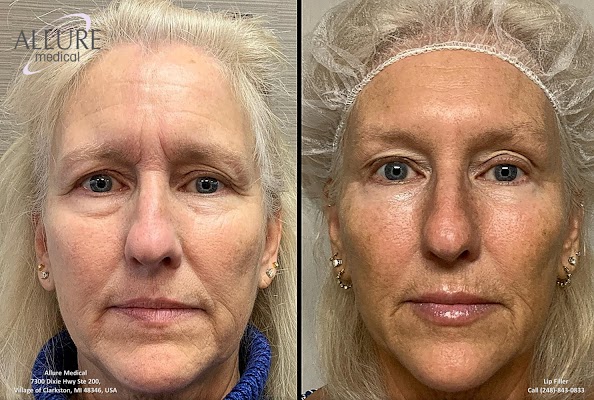
A strong lip augmentation treatment plan reads like this: a first session for 0.7 to 1.0 mL with soft-to-moderate gels, a review at 3 to 4 weeks for polish, then a small maintenance at 6 to 9 months. If your provider only sells one-off syringes without a follow-up strategy, longevity will be luckier than it needs to be.

What the mirror will show over time
Day 1 to 3: Swelling, sometimes asymmetrical. Glossy, pillowy finish. Lips feel firm. Cold compress cycles, sleep elevated. Avoid makeup over punctures.
Week 1 to 2: Swelling subsides. Shape declares itself. Softness returns. If bruising occurred, color fades. Any persistent bumps are assessed for gentle massage.
Month 1 to 3: Peak “natural” phase. Hydration glow is noticeable. Lipstick sits better, border looks crisp. This is the window that sells people on lip augmentation injections.
Month 4 to 6: Subtle taper begins in the body of the lip. Border often remains tidy if supported with a shapely gel. Some patients book their first maintenance here.
Month 7 to 12: Individual variance dominates. Repeat patients often hold volume better than first-timers. This is where disciplined micro touch-ups beat “let it all fade” approaches for long lasting lip filler outcomes.
The trade-offs, stated plainly
Longevity vs softness: The stiffer the gel and the more you use, the longer the look, but the higher the chance lips feel unnatural. Strategic mixing and placement softens this trade-off.
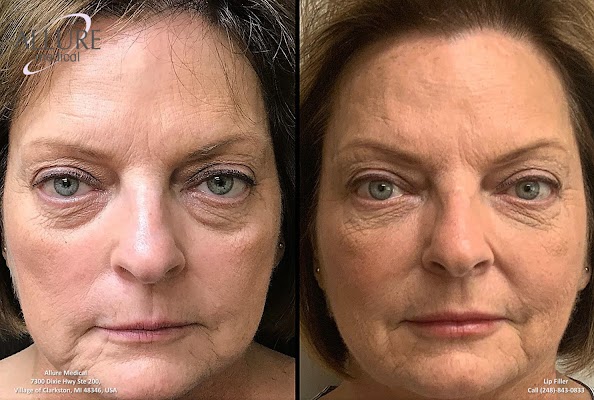
Longevity vs reversibility: HA offers both longevity and reversibility, which is why it is the safe lip filler choice. Non-HA options may last longer in other areas, but the lip is not the place to gamble.
Longevity vs downtime: Larger sessions create more swelling and bruising and can extend lip filler downtime. Spaced, smaller sessions usually lead to happier calendars and steadier results.
Longevity vs cost: Longer-wearing plans often cost more upfront because they include follow-up. Over a year, planned maintenance is usually cheaper than cycles of overfill, dissatisfaction, and dissolving.
A quick, honest guide to preparing and recovering
- Two weeks before: Avoid elective dental work and heavy facials near the mouth. If you bruise easily, consider clearing with your provider about arnica and bromelain. Discuss any blood thinners with your medical team. Three days before: Limit alcohol and high-dose fish oil to reduce bruising risk. Hydrate well. Plan groceries so you are not chewing a steak the night after treatment. Day of: Arrive without makeup. Expect consent forms that cover lip filler risks, lip filler side effects, and emergency protocols. Have a ride if dental blocks make you numb. First 48 hours: Ice in short intervals. Avoid heat, saunas, strenuous workouts, and pressure on the lips. Keep lips moisturized with a simple balm. Sleep slightly elevated. Two weeks: Return if anything feels firm, looks uneven, or worries you. A quick review beats weeks of fretting, and minor issues are easy to correct early.
The bottom line for patients who want results that last
If you want lip augmentation that holds its shape for the better part of a year while staying soft and kissable, focus less on a single “longest lasting” product and more on a plan that fits your anatomy and lifestyle. That plan likely uses a hyaluronic acid lip filler for the body, a slightly firmer gel for the border, a conservative first session with a polish visit, and a small maintenance dose before you lose all the gains. It relies on a lip filler provider who respects safety, handles dissolving without drama, and keeps meticulous photos beyond day one.
People who do best have realistic expectations, a preference for subtle changes that accumulate, and a willingness to show up for maintenance. They understand that a natural lip filler result is as much about contour as it is about milliliters. They see their “lip filler before and after” album become a series of consistent, flattering photos, not a roller coaster. And they measure longevity not just in months, but in how often they look in the mirror and feel, “that still looks like me, just better.”
If you are beginning the search for “lip fillers near me,” bring these principles to your consultations. Ask about gel choice by zone, how your provider handles asymmetry, the expected arc of lip filler recovery, and what lip filler maintenance schedule they propose. The right team will welcome those questions. With the right plan, long lasting lip filler becomes less of a chase and more of a rhythm that keeps your lips expressive, shapely, and yours.